
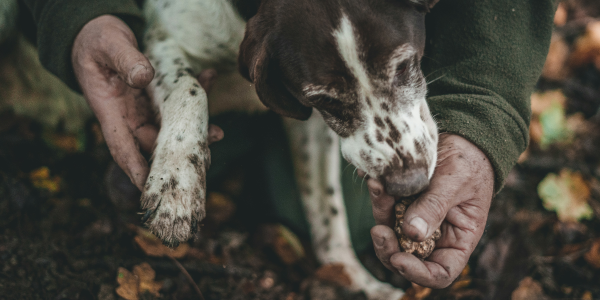
In November, half of Tuscany closes. No queues, no crowds, no forty thousand phones in Piazza del Campo. What’s left is the real Italy: fog, white truffles, fresh olive oil and restaurants where the owner has time to tell you what you should have ordered instead. Here’s why November is the best month to visit.
Why “Closed” Is the Best Thing That Can Happen to You
Here’s something the Tuscan tourism board will never print on a brochure: in November, half of Tuscany is closed.
Some restaurants have a handwritten “Chiuso per ferie” (closed for holidays) sign on the door. Some hotels are shut. A few shops have simply decided that life is too short. Behind those signs? People like me. After a season of herding groups through the hills (or around the crowded streets of Florence), I do what every sensible Tuscan does in November: I go on holiday, switch off my phone and lie on a sofa like a cat (with my 2 cats) after lunch.
And what’s left, once the season ends, is exactly what most visitors came looking for in July.
Empty museums. You can stand in front of a masterpiece for 10 minutes without someone’s elbow in your ribs.
Empty streets. Walk through Pienza, Montepulciano or Lucca in the late afternoon fog and feel like the main character of a very expensive film. Nobody is in your photo. Not even Gino, and Gino is always in the photo.
Restaurants with time for you. Some are closed, so you’ll need to do something radical: search. Ask a local, walk into the place with no English menu and a grandmother in the kitchen. The owner has time to chat, to recommend the wine, and to tell you that what you ordered is wrong and what you should have ordered is better. He’s usually right.
This isn’t a trip for ticking boxes. It’s slower, softer, more Tuscan.
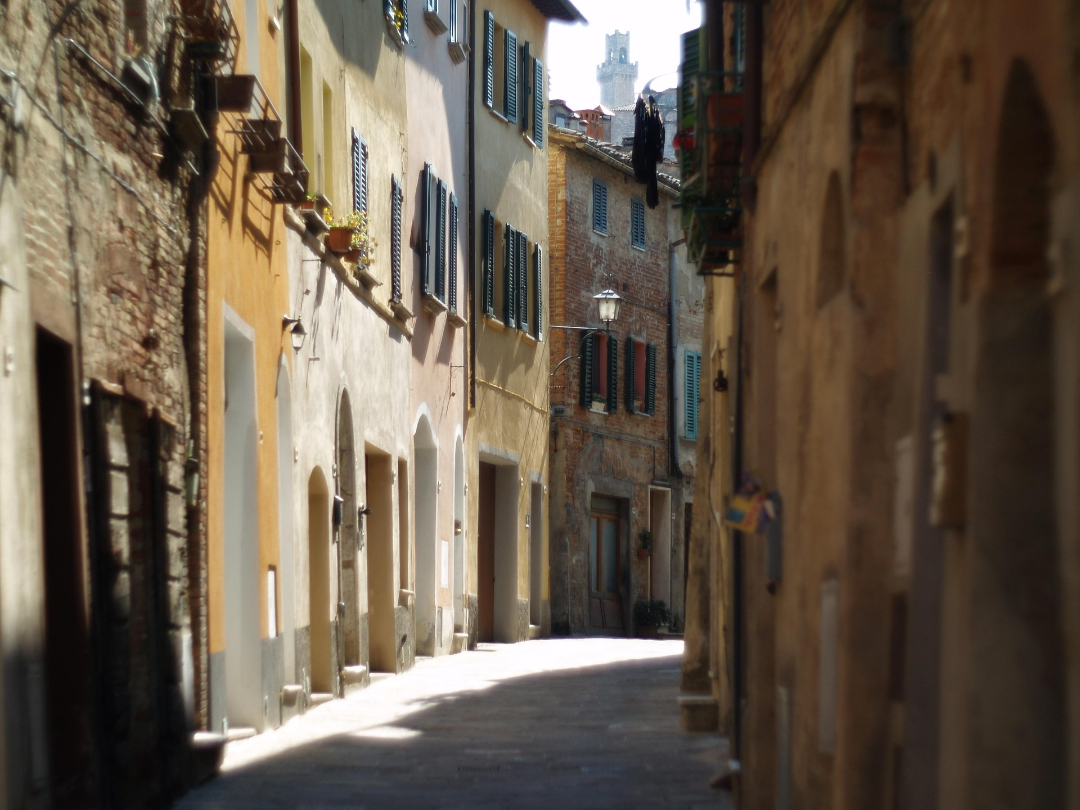
The White Truffle: November’s Main Event
Now let’s talk about the reason many of us get out of bed in November: the white truffle.
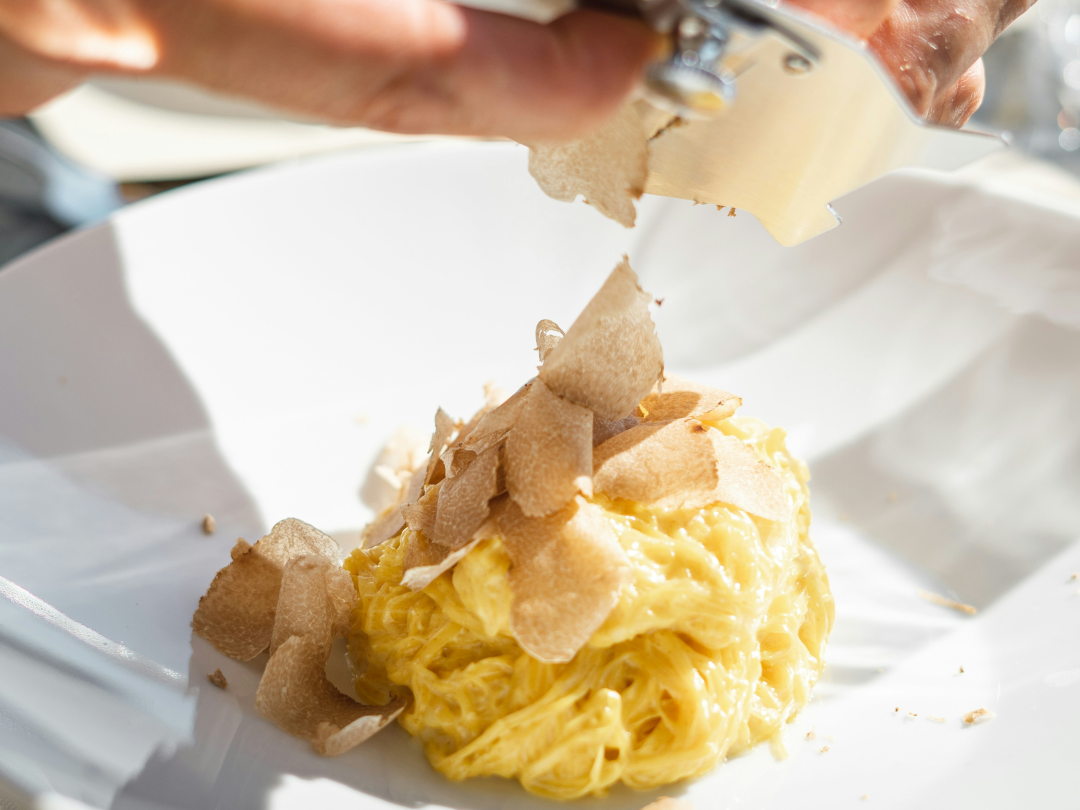
Let me be honest about what a truffle is. It’s a lumpy, ugly, dirt-covered thing that looks like something you’d scrape off your boot after a walk in the woods. And it costs (price checked on 24 October) €4,683 per kilo. You’re paying gold prices for a mushroom with the face of a potato.
And yet, the smell. That impossible, earthy, almost shameless perfume that fills an entire room the moment someone shaves a few slices over a plate of tagliolini with butter. No cream, no tricks, no “reinvented” anything. Just pasta, butter, and the most dramatic fungus on Earth.
I’ve seen grown men go silent in front of it. It’s the closest thing to a religious experience that doesn’t involve a church.
How to Go on a Truffle Hunt (and Prepare to Get Dirty)
A real truffle hunt is one thing I tell everyone to book in November. And no, it isn’t a tourist gimmick as long as you choose well.
Here’s what a real one looks like:
- Meet the tartufaio (truffle hunter), usually a man of few words and strong opinions.
- Walk into the woods, early, in boots you don’t care about (the forest does not care about your outfit).
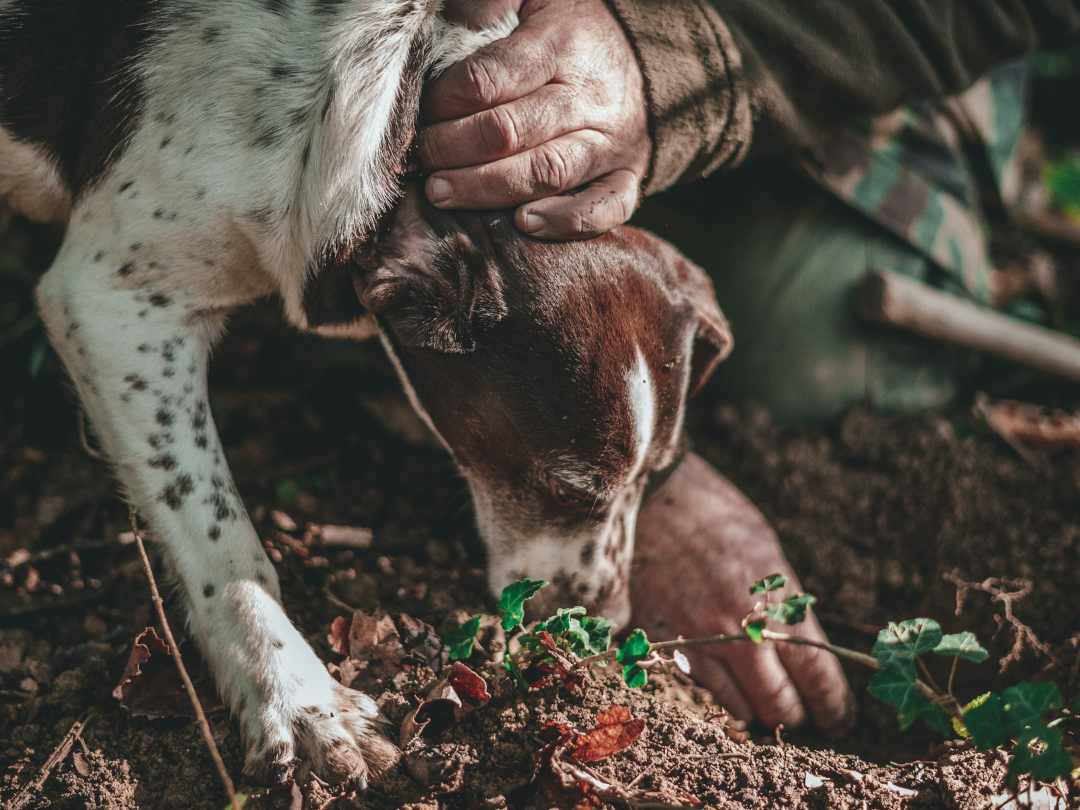
- Meet the real hero: the dog. Sniffing, digging, working for a piece of biscuit while the human takes all the credit at dinner.
- Watch the dig. Someone carefully extracts a small, ugly, priceless lump from the ground. Then you smell it. Then you understand everything.
- Go to lunch. It hits differently when you’ve earned it with mud on your knees.
Beware of the fakes.
Autumn is my favourite season: harvest, truffles, chestnuts, golden vineyards and far fewer crowds. September is often still warm; October and November bring cooler days and If someone offers you a “truffle experience” for €20 with truffle-flavored oil, walk away. Real truffle is seasonal, expensive and fresh. Truffle oil is, in most cases, a chemical aroma wearing a nice hat.
Ask where the truffles come from, who the hunter is, and whether you’ll actually walk in the woods. If the answer is vague, so is the experience.
Want the festival version?
The white truffle fairs at San Miniato (last 3 weekends of November) and in the Crete Senesi near San Giovanni d’Asso (first 2 weekends of November) are the best in the region. Mostly Italians, which is exactly the point.
What Else November Gets Right
Truffles are the headline. November has a whole cast of supporting actors:
- “Olio nuovo” (freshly pressed olive oil): green, peppery, almost aggressive. Bread, salt, oil. That’s the whole recipe and the best thing you’ll eat all year.
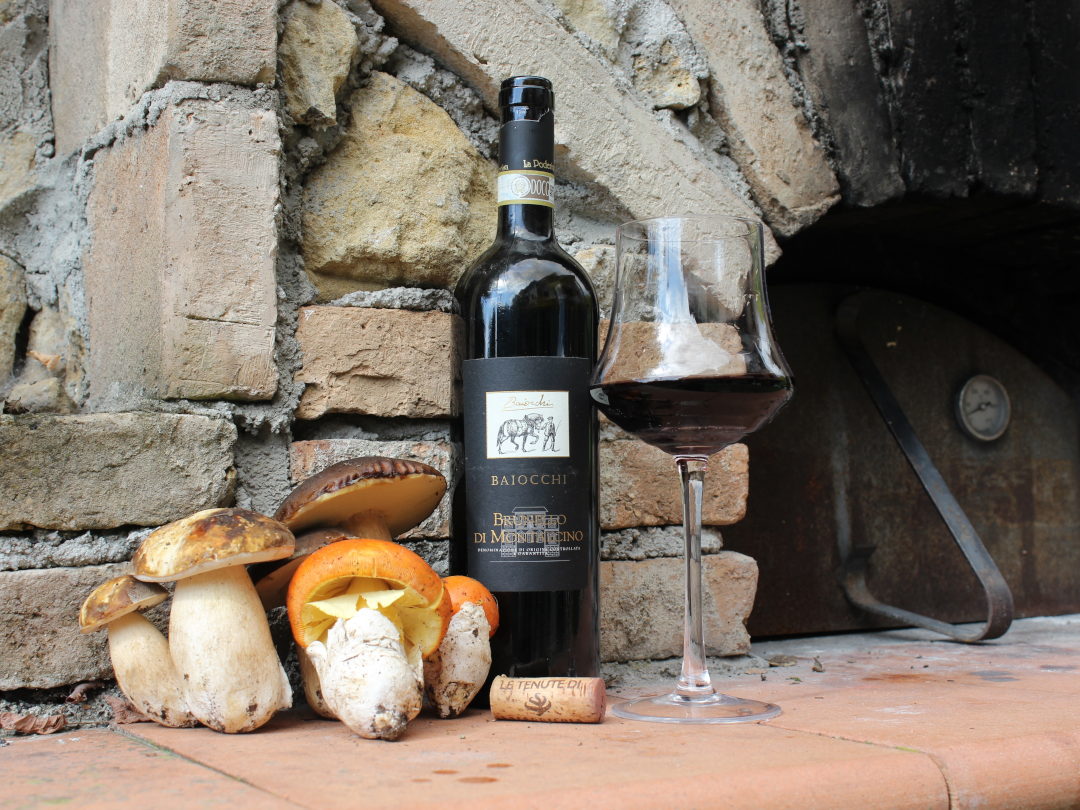
- Chestnuts and porcini mushrooms: roasted on the street, in the pasta, in the bakeries (as “Castagnaccio”).
- “Sagre” (local food festivals): made by villages, for villages. Plastic tables, great food, somebody’s uncle on the accordion. No translated menus, no Instagram corners.
- New wine and quiet cellars: producers finally have time to sit with you, open a bottle, and tell you the truth about the vintage
- Fireplaces: a fire, a glass of red, rain on the window. The Tuscan version of wellness. Nobody charges you €200 for a towel.
Before You Go: 3 Honest Things to Know
November in Tuscany is wonderful, with the right expectations.
- Days are shorter: the sun sets early, so plan your outdoor time around daylight.
- Weather is unpredictable: rain, fog, real cold; bring layers and proper shoes (not white sneakers, please).
- Check opening hours: book must-dos in advance (truffle hunt, key restaurants), and leave the rest to curiosity.
If you need beach clubs and rooftop bars, come in August.
If you want Tuscany with its shoes off, come now.
🍂 The dog is waiting. The truffle is underground. The grandmother is in the kitchen.
Everything you need for the real Tuscany is ready, except your booking.